
Calcium stands as a fundamental mineral, pivotal for an astounding array of physiological functions far beyond merely building strong bones. When the body faces a severe shortfall of this essential nutrient, a condition known as hypocalcemia can arise, triggering a cascade of distressing and potentially life-threatening symptoms. This critical deficiency compromises not only the integrity of our skeletal system but also profoundly impacts nerve transmission, muscle function, hormone secretion, and even cardiovascular health. Recognizing the early indicators of a profound calcium deficit is paramount for timely intervention and preventing irreversible damage. Understanding these signs empowers individuals to seek appropriate medical guidance and embark on effective management strategies, thereby safeguarding overall well-being and ensuring the body operates at its optimal capacity.
The Silent Threat to Your Skeletal System
The most widely recognized role of calcium is its contribution to bone and teeth health. However, a severe deficiency profoundly weakens this structural framework, leading to a host of debilitating conditions that compromise mobility and quality of life. The body meticulously regulates calcium levels in the blood, often drawing from bone reserves when dietary intake is insufficient. Persistent and severe depletion of these reserves results in the progressive deterioration of bone tissue.
Osteoporosis and Increased Fracture Risk
Severe calcium deficiency directly correlates with a heightened risk of developing osteoporosis, a condition characterized by brittle bones and increased susceptibility to fractures. According to a 2023 report from the National Osteoporosis Foundation, over 54 million Americans are affected by osteoporosis and low bone mass, a significant portion of which can be attributed to inadequate calcium intake over time. When the body’s serum calcium levels drop too low, it signals the parathyroid glands to release parathyroid hormone (PTH), which then leaches calcium from the bones to maintain vital blood calcium concentrations. This continuous process of bone resorption without adequate replacement leads to a reduction in bone mineral density. The structural integrity of the bones diminishes, making them porous and fragile.

This progressive weakening means that even minor falls or stresses that would typically be harmless can result in serious bone breaks. Veritably, hip fractures, vertebral compression fractures, and wrist fractures become notably more common. The consequences of such fractures are often severe, involving prolonged pain, reduced mobility, and a significant decrease in independence. A case in point, elderly individuals with severe hypocalcemia face a dramatically elevated risk of hip fractures, which often necessitate complex surgery and extensive rehabilitation, sometimes leading to long-term disability or even increased mortality rates. Preventative measures, including adequate calcium and vitamin D intake, are crucial for mitigating this devastating outcome.
[Image Prompt: A realistic photo of an elderly person carefully walking with a cane, looking frail, with a subtle emphasis on their posture suggesting bone fragility.]
Dental Deterioration and Gum Issues
While bones are the primary calcium reservoir, teeth also rely heavily on this mineral for their strength and structure. Severe calcium deficiency can significantly compromise dental health, leading to a range of issues from weakened enamel to gum disease. The enamel, the outermost layer of the tooth, is largely composed of calcium phosphate. When calcium levels are consistently low, the body may draw calcium from the teeth to maintain systemic balance, though to a lesser extent than from bones. This process weakens the enamel, making teeth more susceptible to decay and cavities.

Furthermore, severe calcium deficiency can contribute to the deterioration of the jawbone, which anchors the teeth. A weak jawbone can lead to loose teeth and, in extreme cases, tooth loss. The periodontium, the specialized tissues that surround and support the teeth, also requires adequate calcium for health. Insufficient calcium can exacerbate inflammatory conditions such as gingivitis and periodontitis, making the gums more prone to bleeding and infection. This creates a vicious cycle where poor dental health further complicates nutritional intake, potentially worsening the overall deficiency.
Maintaining optimal calcium levels is therefore not just about preventing cavities but about preserving the entire oral ecosystem. Regular dental check-ups become even more critical when calcium intake is a concern, allowing dentists to monitor for early signs of enamel erosion or gum disease. Addressing these issues promptly can prevent more severe complications, securing both oral health and the ability to chew nutrient-rich foods effectively.
Stunted Growth and Development in Children
For children and adolescents, calcium is not merely about maintenance; it is absolutely vital for proper growth and development. Severe calcium deficiency during these formative years can have profound and lasting consequences, impacting skeletal development and overall physical stature. Childhood and adolescence are critical periods for bone accrual, with approximately 90% of peak bone mass being achieved by late adolescence. Inadequate calcium intake during this crucial window directly hinders the ability to build strong, dense bones, leading to stunted growth.

Children suffering from severe hypocalcemia may exhibit slower-than-average growth rates, appearing shorter than their peers. Their bones may also be softer and more prone to deformities, a condition sometimes referred to as rickets in its more severe forms, though typically linked to vitamin D deficiency which impairs calcium absorption. The growth plates, areas of cartilage at the ends of long bones responsible for longitudinal growth, are particularly sensitive to nutrient availability. A persistent lack of calcium can impair the proper calcification of these growth plates, impeding the lengthening of bones.
Beyond physical stature, the overall development of a child can be affected. Their ability to participate in physical activities might be limited due to weaker bones and increased fracture risk, impacting social and motor skill development. Addressing severe calcium deficiency early in childhood is paramount for ensuring children reach their full growth potential and establish a strong foundation for lifelong bone health. Nutritional interventions and pediatric care are essential to reverse or mitigate these developmental setbacks.
[Image Prompt: A realistic photo of a child looking noticeably smaller and thinner than other children of the same age playing in a park, with a slight hint of fatigue.]

> Expert Insight: “Adequate calcium intake is non-negotiable for growing children. Early intervention for deficiency can prevent irreversible skeletal deformities and ensure optimal developmental trajectories. Always consult a pediatrician for personalized dietary recommendations and supplementation guidance.”
Neuromuscular Distress and Dysfunction
Calcium plays a critical role in nerve impulse transmission and muscle contraction. When levels plummet severely, the finely tuned balance of the nervous and muscular systems is disrupted, leading to a range of distressing and sometimes debilitating symptoms that affect movement, sensation, and even cognitive function. These neuromuscular manifestations are often among the earliest and most noticeable signs of severe hypocalcemia.
| Symptom Category | Specific Manifestation | Severity (1-5) | Impact on Daily Life | Key Mechanism |
|---|---|---|---|---|
| Skeletal | Osteoporosis/Fractures | 5 | Chronic pain, disability, reduced mobility | Bone resorption for blood calcium maintenance |
| Dental Deterioration | 3 | Difficulty chewing, pain, infections | Weakened enamel, jawbone density loss | |
| Stunted Growth (Children) | 4 | Developmental delays, short stature | Impaired bone mineralization and growth plate fxn | |
| Neuromuscular | Muscle Spasms/Tetany | 4 | Acute pain, involuntary movements, functional loss | Increased nerve excitability |
| Numbness/Tingling (Paresthesia) | 3 | Discomfort, impaired sensation, fine motor issues | Altered nerve signal transmission | |
| Seizures | 5 | Loss of consciousness, injury risk, brain damage | Hyperexcitability of neuronal membranes | |
| Cardiovascular | Cardiac Arrhythmias | 5 | Palpitations, dizziness, sudden cardiac arrest | Disrupted electrical conduction in heart |
| Systemic | Skin/Hair Changes | 2 | Dry skin, brittle nails, coarse hair | Impaired cellular regeneration and keratinization |
| Psychological | Depression/Anxiety | 3 | Mood swings, irritability, impaired mental health | Neurotransmitter imbalance, brain function changes |
Muscle Spasms, Cramps, and Tetany
One of the most characteristic and uncomfortable signs of severe calcium deficiency is muscle spasms and cramps, which can progress to a more severe condition known as tetany. Calcium ions are essential for the proper contraction and relaxation of muscle fibers. They act as a critical messenger in the excitation-contraction coupling process, triggering the sliding of actin and myosin filaments that causes muscle shortening. When calcium levels in the extracellular fluid drop precipitously, nerve cells become hyperexcitable. This increased excitability leads to spontaneous and uncontrolled firing of motor neurons, resulting in involuntary muscle contractions.
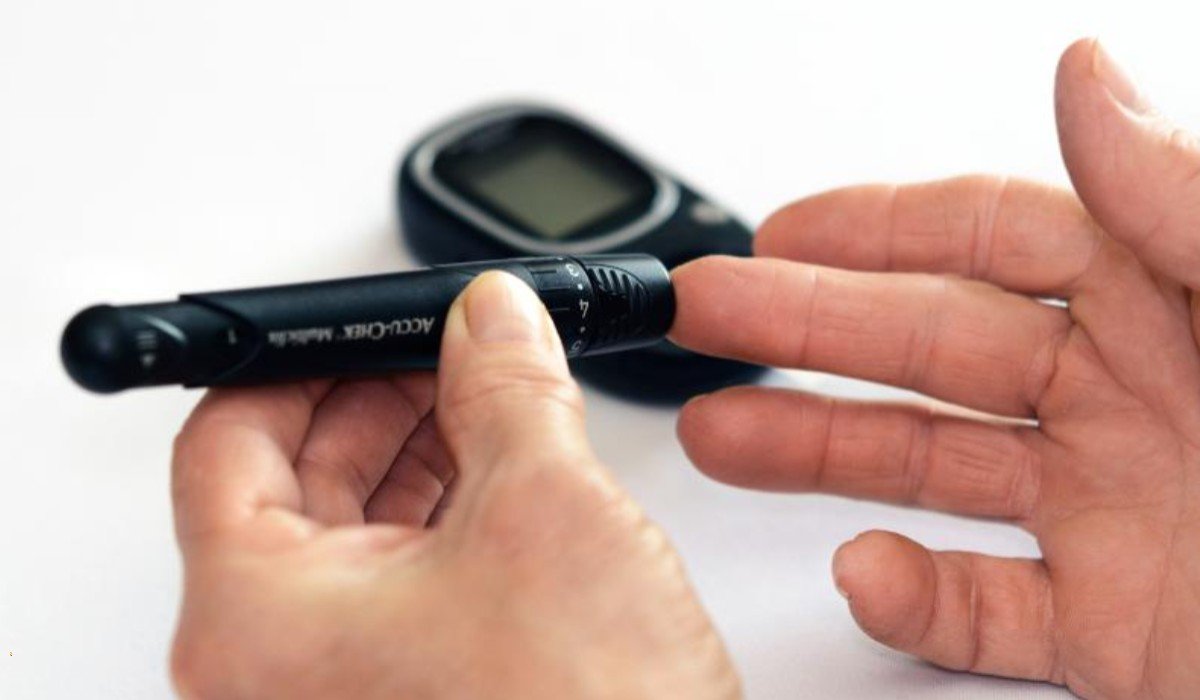
Initially, individuals might experience mild muscle twitches or fasciculations, often in the extremities or around the eyes. As the deficiency worsens, these can escalate into painful muscle cramps, particularly in the hands, feet, and back. The most severe form, tetany, involves sustained, painful muscle contractions that can lock joints in place. A classic sign of tetany is carpopedal spasm, where the hands flex at the wrist and metacarpophalangeal joints, and the fingers extend in an unnatural posture. Laryngospasm, a spasm of the vocal cords, can also occur, leading to difficulty breathing and potentially becoming life-threatening.
The discomfort and functional impairment caused by these muscle issues can be significant, making everyday tasks challenging. A prompt medical evaluation is crucial to diagnose and treat the underlying hypocalcemia, which typically involves intravenous calcium supplementation in acute cases. Understanding that these muscle symptoms are a direct cry from the body for calcium can motivate individuals to seek immediate professional help.
[Image Prompt: A realistic photo of a person clutching their calf muscle in pain, depicting a severe muscle cramp or spasm, with a distressed expression.]

Numbness, Tingling, and Paresthesia
Beyond muscle spasms, severe calcium deficiency profoundly affects nerve function, leading to sensory disturbances such as numbness, tingling, and a pins-and-needles sensation, collectively known as paresthesia. Calcium ions play a pivotal role in maintaining the normal excitability of nerve cell membranes. They help stabilize the resting membrane potential and regulate the flow of other ions, such as sodium and potassium, across the neuronal membrane. When calcium levels are too low, the nerve cells become overly sensitive and prone to spontaneous depolarization.
This hyperexcitability of peripheral nerves causes them to fire impulses erratically, even without external stimuli. The result is an abnormal sensation perceived by the brain. Typically, paresthesia begins in the extremities, such as the fingers and toes, and around the mouth (perioral paresthesia). Patients often describe it as a crawling sensation, prickling, or a general feeling of numbness. In severe cases, this can spread to other parts of the body, creating widespread discomfort and anxiety.
The constant or intermittent feeling of numbness and tingling can be debilitating, impacting fine motor skills and tactile sensation. Simple tasks like buttoning a shirt or picking up small objects can become challenging. While not immediately life-threatening, these symptoms are a clear indicator that the nervous system is under significant stress due to calcium depletion and warrant urgent medical attention to prevent progression to more severe neurological complications.

Seizures and Neurological Impairment
The most severe neurological manifestation of profound calcium deficiency is the occurrence of seizures. As calcium levels drop to critically low levels, the hyperexcitability of nerve cells, which initially causes paresthesia and muscle spasms, can escalate to affect the central nervous system, leading to uncontrolled electrical activity in the brain. This can manifest as various types of seizures, ranging from focal seizures to generalized tonic-clonic convulsions. A 2022 review in the Journal of Neurology highlighted hypocalcemia as a significant, yet often overlooked, cause of new-onset seizures in adults.
The brain’s neurons rely on precise calcium concentrations to regulate neurotransmitter release and maintain stable electrical potentials. When this balance is severely disrupted, the threshold for neuronal firing decreases dramatically, making the brain susceptible to widespread, synchronized electrical discharges characteristic of a seizure. These events can be frightening and dangerous, potentially leading to injury, loss of consciousness, and even long-term neurological damage if not promptly addressed.
Beyond overt seizures, severe hypocalcemia can also lead to more subtle but pervasive neurological impairments. Patients might experience confusion, disorientation, memory problems, and even personality changes. The brain, like other organs, requires a stable internal environment to function correctly. A severe and prolonged calcium deficit can disrupt this environment, compromising cognitive processes and overall mental clarity. Recognizing seizures or significant cognitive changes as potential signs of hypocalcemia is critical for immediate medical intervention, often involving intravenous calcium to stabilize brain activity.
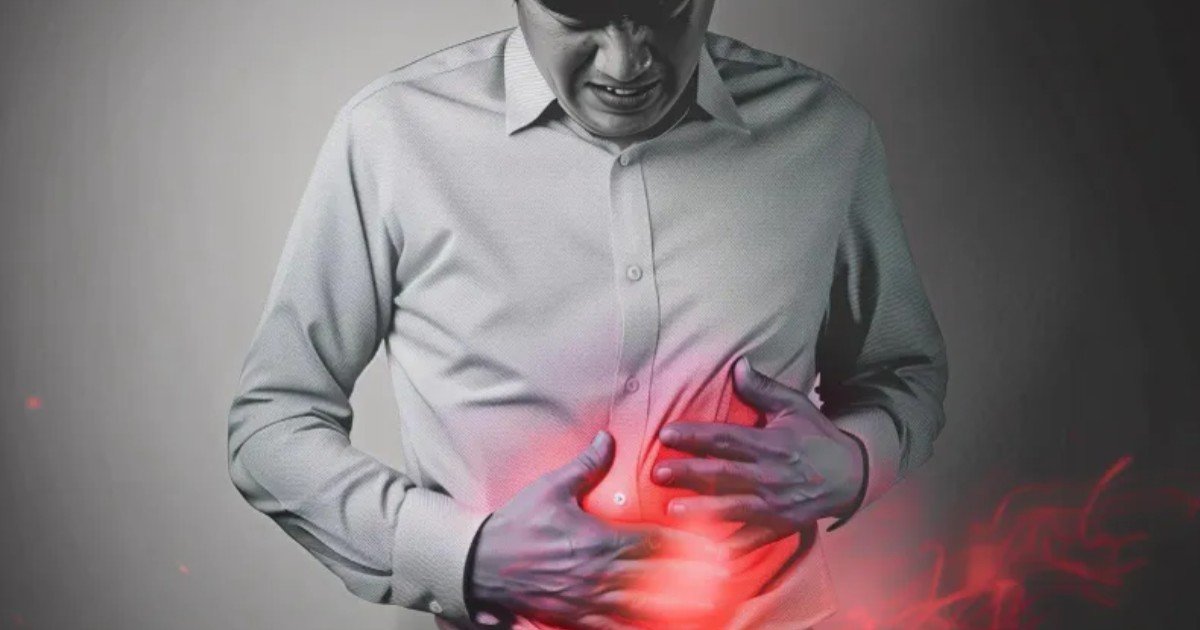
[Image Prompt: A realistic photo of a person experiencing a seizure, perhaps on the floor with medical professionals attending, or a blurred image suggesting disorientation and distress, focusing on the neurological impact.]
Cardiovascular and Systemic Issues
While often associated with bones and muscles, calcium’s influence extends deeply into the cardiovascular system and various other bodily functions. Severe deficiency can lead to critical issues that affect the heart’s rhythm and the body’s overall systemic balance, underscoring calcium’s ubiquitous role in maintaining health. These systemic manifestations can be particularly dangerous due to their potential impact on vital organ function.
Cardiac Arrhythmias and Heart Failure
Calcium is indispensable for the proper functioning of the heart muscle. It plays a crucial role in the electrical conduction system of the heart, regulating the contraction and relaxation cycles of cardiomyocytes. Severe hypocalcemia can disrupt this delicate balance, leading to a range of cardiac arrhythmias and, in extreme cases, contributing to heart failure. The influx of calcium ions into heart muscle cells is what triggers each heartbeat, making it contract. A deficit means this process is compromised.

When calcium levels are critically low, the heart’s electrical activity becomes unstable. This can manifest as a prolonged QT interval on an electrocardiogram (ECG), which indicates a delay in the repolarization of the ventricles. A prolonged QT interval significantly increases the risk of developing life-threatening ventricular arrhythmias, such as Torsades de Pointes, which can lead to sudden cardiac arrest. Patients might experience palpitations, dizziness, fainting spells, or shortness of breath. A 2021 study published in the American Journal of Cardiology noted a significant correlation between severe hypocalcemia and increased incidence of malignant arrhythmias in hospitalized patients.
Moreover, chronic and severe calcium deficiency can impair the contractile strength of the heart muscle over time, potentially leading to congestive heart failure. The heart struggles to pump blood effectively, reducing oxygen and nutrient delivery to the body’s tissues. This makes calcium deficiency a profound concern for cardiovascular health, necessitating prompt diagnosis and treatment to prevent potentially fatal outcomes.
[Image Prompt: A realistic photo of a medical professional monitoring an ECG machine showing an irregular heartbeat, with a focus on the concerned expression of the professional.]

Blood Clotting Abnormalities
Calcium ions are not only vital for bones and muscles but also play a critical, albeit less commonly known, role in the complex cascade of blood coagulation. Severe calcium deficiency can therefore lead to abnormalities in the body’s ability to form blood clots, which can have serious implications for wound healing and internal bleeding. Calcium acts as a co-factor for several key enzymes (clotting factors) in the coagulation pathway.
Specifically, calcium (factor IV) is essential for the activation of prothrombin to thrombin and for the subsequent conversion of fibrinogen to fibrin, which forms the stable meshwork of a blood clot. Without sufficient calcium, these crucial steps are impaired, leading to a delay or complete failure in clot formation. Patients with severe hypocalcemia might experience prolonged bleeding from minor cuts, easy bruising, or in severe cases, spontaneous internal bleeding. This can be particularly dangerous following surgery, trauma, or in individuals prone to bleeding disorders.
While severe hypocalcemia rarely causes spontaneous bleeding solely due to its effect on coagulation, it significantly exacerbates existing bleeding tendencies or complicates situations requiring rapid clot formation. Medical professionals must be aware of a patient’s calcium status, especially before surgical procedures or in emergency situations involving trauma. Correcting the calcium deficiency is an integral part of managing bleeding risks in such scenarios, highlighting calcium’s multifaceted importance in maintaining physiological homeostasis.

Skin, Hair, and Nail Changes
The effects of severe calcium deficiency are not limited to internal systems; they can also manifest visibly on the body’s exterior, affecting the health and appearance of skin, hair, and nails. While these symptoms might seem cosmetic, they reflect underlying cellular dysfunction caused by the lack of this essential mineral, indicating a systemic problem. Calcium plays a role in cell differentiation, proliferation, and the maintenance of cell membrane integrity, all crucial for healthy integumentary tissues.
Individuals with severe hypocalcemia often report excessively dry and flaky skin, a condition known as xerosis. Calcium is involved in the formation of the skin barrier, which helps retain moisture and protect against environmental aggressors. When this barrier is compromised due to insufficient calcium, the skin becomes more susceptible to dehydration and irritation. Furthermore, some patients may develop rough skin patches or even eczema-like rashes that are resistant to typical treatments.
Hair and nails also suffer from this deficiency. Hair can become coarse, brittle, and prone to breakage, sometimes leading to significant hair loss. Nails may become weak, brittle, and develop ridges or white spots, and they may break or chip easily. These external signs, while perhaps not life-threatening, are significant indicators of severe internal imbalance. They can cause considerable distress and should prompt a thorough investigation into the patient’s nutritional status, including calcium levels, to address the root cause and restore overall health.

[Image Prompt: A realistic photo of a person’s hand showing dry, flaky skin, brittle nails with ridges, and possibly some thinning hair on their arm, emphasizing the integumentary symptoms.]
Mood and Mental Health Impacts
The brain, a highly metabolically active organ, is particularly sensitive to fluctuations in electrolyte levels, including calcium. Severe calcium deficiency can profoundly impact brain function, leading to a range of psychological and cognitive symptoms that affect mood, mental clarity, and overall well-being. These less obvious manifestations underscore the pervasive influence of calcium beyond its structural roles.
Depression, Anxiety, and Irritability
Calcium plays a vital role in neurotransmitter synthesis and release, which are critical for mood regulation. Severe hypocalcemia can disrupt these delicate biochemical processes in the brain, leading to significant mood disturbances such as depression, anxiety, and increased irritability. The brain’s ability to maintain a stable emotional state is heavily reliant on the proper signaling between neurons, a process where calcium ions are key messengers. A 2020 study in “Psychiatry Research” found a notable correlation between chronic hypocalcemia and higher scores on anxiety and depression scales.

Individuals experiencing severe calcium deficiency may report persistent feelings of sadness, anhedonia (loss of pleasure), and a general lack of motivation, mirroring symptoms of clinical depression. Concurrently, heightened anxiety, characterized by excessive worry, nervousness, and panic attacks, can become a prevalent issue. The feeling of being constantly on edge or experiencing unexplained agitation and irritability are also common complaints. These psychological symptoms can be particularly distressing as they affect daily functioning, relationships, and overall quality of life.
The exact mechanisms are complex, but they involve calcium’s role in regulating neuronal excitability and the release of neurotransmitters such as serotonin, dopamine, and norepinephrine, all of which are crucial for mood stability. When calcium levels are too low, the balance of these neurochemicals can be thrown off, resulting in the observed mood swings and mental health challenges. Addressing the underlying calcium deficiency is therefore an essential component of managing these psychological symptoms, often leading to significant improvement in mental well-being.
[Image Prompt: A realistic photo of a person sitting alone, looking withdrawn and sad, possibly in a dimly lit room, depicting symptoms of depression and anxiety.]

Cognitive Impairment and Confusion
Beyond emotional disturbances, severe calcium deficiency can directly impair cognitive function, leading to symptoms such as confusion, disorientation, memory problems, and difficulty concentrating. The brain’s intricate network of neurons relies on precise calcium signaling for learning, memory formation, and information processing. When calcium levels fall critically low, these complex processes are compromised, leading to noticeable cognitive deficits.
Patients might find it challenging to focus on tasks, follow conversations, or remember recent events. Simple mental calculations or problem-solving can become unusually difficult. In severe cases, individuals may experience profound confusion and disorientation, struggling to recognize familiar places or people. This can be particularly alarming for both the affected individual and their caregivers, sometimes leading to misdiagnosis as other neurological or psychiatric conditions. A 2023 clinical review highlighted hypocalcemia as a reversible cause of acute confusion and delirium in elderly patients.
The impact on daily life can be substantial, affecting work performance, social interactions, and personal independence. The brain’s electrical activity, which underpins all cognitive functions, is highly sensitive to electrolyte imbalances. Severe calcium deficiency disrupts the normal flow of ions across neuronal membranes, interfering with the generation and propagation of electrical signals essential for thought and memory. Timely diagnosis and correction of hypocalcemia are vital not only to prevent seizures but also to restore optimal cognitive function and prevent long-term neurological sequelae.

[Image Prompt: A realistic photo of a person looking confused and disoriented, perhaps struggling to read a simple document or looking blankly into space, suggesting cognitive impairment.]
Underlying Causes and Risk Factors for Severe Hypocalcemia
Understanding the symptoms of severe calcium deficiency is crucial, but equally important is recognizing the various factors that can lead to such a critical state. Hypocalcemia is rarely a standalone issue; it often stems from a combination of dietary inadequacies, underlying medical conditions, and lifestyle choices that impair calcium absorption or increase its excretion. Identifying these root causes is essential for effective prevention and treatment.
Dietary Insufficiency and Malabsorption
The most direct cause of calcium deficiency is a sustained lack of calcium in the diet. While many individuals may not consume enough calcium-rich foods, severe hypocalcemia typically arises when this dietary insufficiency is compounded by issues that prevent the body from absorbing the calcium that is consumed. A 2024 nutritional survey indicated that a significant portion of the adult population in Western countries consistently falls short of the recommended daily calcium intake.
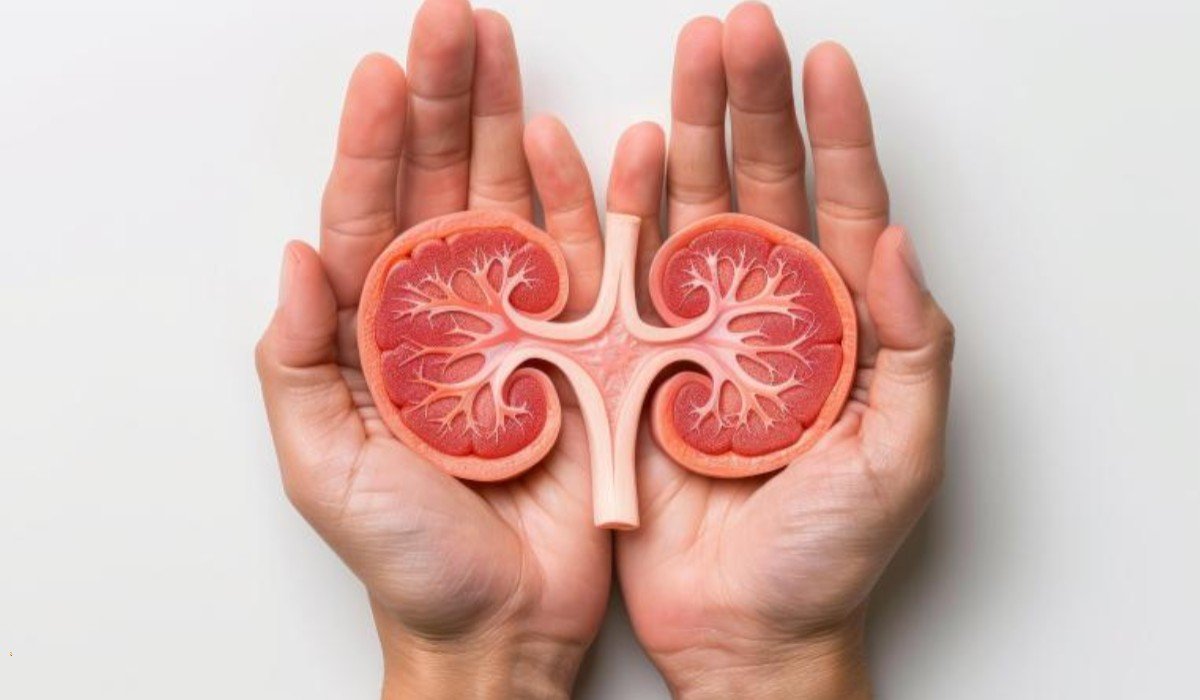
Malabsorption conditions are a primary culprit in severe cases. Gastrointestinal disorders such as Crohn’s disease, ulcerative colitis, celiac disease, and short bowel syndrome can significantly impair the small intestine’s ability to absorb calcium from food. Bariatric surgery, particularly procedures that bypass large sections of the small intestine, can also lead to chronic malabsorption and subsequent hypocalcemia. Furthermore, certain dietary factors, such as high intake of oxalates (found in spinach, rhubarb) and phytates (found in whole grains, legumes), can bind to calcium in the gut, reducing its bioavailability. A diet excessively high in sodium or protein can also increase calcium excretion through the kidneys, further depleting body stores.
Addressing dietary insufficiency involves consuming more calcium-rich foods such as dairy products, fortified plant-based milks, leafy greens, and certain fish. For malabsorption issues, medical management of the underlying condition is paramount, often supplemented by high-dose calcium supplements, sometimes in chewable or liquid forms for better absorption, and close monitoring of blood levels.
[Image Prompt: A realistic photo of a variety of calcium-rich foods on a kitchen counter: milk, yogurt, leafy greens, fortified orange juice, and a fish fillet, subtly indicating healthy dietary choices.]
Hormonal Imbalances, Specifically Parathyroid Issues
The body’s calcium levels are tightly regulated by a sophisticated hormonal system, with the parathyroid glands playing a central role. Any disruption to these glands or their hormones can lead to severe hypocalcemia. The parathyroid glands, four small glands located in the neck near the thyroid, produce parathyroid hormone (PTH), which increases blood calcium levels by stimulating its release from bones, increasing absorption in the gut (via vitamin D activation), and reducing its excretion by the kidneys.
Hypoparathyroidism, a condition where the parathyroid glands do not produce enough PTH, is a common cause of severe hypocalcemia. This can result from damage during thyroid surgery (iatrogenic hypoparathyroidism), autoimmune conditions, or genetic disorders. Without sufficient PTH, the body cannot effectively mobilize calcium from bones, reabsorb it from the kidneys, or activate vitamin D to absorb it from the diet, leading to a rapid and profound drop in blood calcium. Pseudohypoparathyroidism is another condition where the body’s cells are resistant to the effects of PTH, even if PTH levels are normal or high, leading to similar symptoms of hypocalcemia.
Management of hypoparathyroidism typically involves lifelong calcium and active vitamin D supplementation, often requiring careful monitoring to prevent both hypocalcemia and potential complications from over-supplementation. Endocrine specialists are crucial in diagnosing and managing these complex hormonal imbalances to maintain stable calcium levels and prevent severe symptoms.

Vitamin D Deficiency and Kidney Disease
Vitamin D plays an indispensable role in calcium homeostasis, primarily by facilitating the absorption of dietary calcium in the intestines. Severe vitamin D deficiency, therefore, is a significant risk factor for hypocalcemia, as even adequate dietary calcium cannot be properly utilized without sufficient vitamin D. Sunlight exposure is the primary natural source of vitamin D synthesis in the skin, but many individuals, particularly in certain geographical regions or with limited outdoor activity, are deficient.
Chronic kidney disease (CKD) is another major contributor to severe calcium deficiency. Healthy kidneys are essential for converting inactive vitamin D into its active form, calcitriol. In CKD, the kidneys’ ability to perform this conversion is impaired, leading to active vitamin D deficiency. This, in turn, reduces intestinal calcium absorption and contributes to hypocalcemia. Furthermore, damaged kidneys may also fail to excrete phosphate effectively, leading to hyperphosphatemia (high phosphate levels in the blood). High phosphate levels can bind to calcium, further reducing free ionized calcium and exacerbating hypocalcemia. A 2023 epidemiological study indicated that over 60% of patients with advanced CKD experience some degree of hypocalcemia.
Managing hypocalcemia in the context of vitamin D deficiency involves supplementation with vitamin D, often in higher doses than standard recommendations, and sometimes with the active form (calcitriol) directly, especially in kidney disease. For CKD patients, a comprehensive approach involving phosphate binders, dietary modifications, and active vitamin D analogs is often necessary to correct electrolyte imbalances and protect bone health.

Conclusion
Severe calcium deficiency, or hypocalcemia, is a serious medical condition with far-reaching consequences that extend well beyond fragile bones. The 12 alarming signs discussed—ranging from debilitating muscle spasms and neurological impairments to cardiac arrhythmias and profound psychological distress—underscore calcium’s critical role in virtually every bodily system. Recognizing these symptoms early is not merely about comfort; it is about preventing life-threatening complications and preserving long-term health. The body’s intricate mechanisms for maintaining calcium balance are robust, yet they can be overwhelmed by persistent dietary inadequacy, malabsorption issues, hormonal imbalances, or underlying medical conditions such as kidney disease and severe vitamin D deficiency.
Understanding these signs empowers individuals to advocate for their health. If you suspect you or a loved one might be experiencing symptoms of severe calcium deficiency, do not delay. Prompt medical evaluation is essential for an accurate diagnosis, which typically involves blood tests to measure calcium, parathyroid hormone, and vitamin D levels. Early intervention, often involving targeted dietary changes, calcium and vitamin D supplementation, and treatment of any underlying conditions, can significantly alleviate symptoms and prevent the progression to more severe and irreversible damage. Prioritizing optimal calcium intake and addressing risk factors is a fundamental step toward safeguarding your skeletal integrity, nervous system function, cardiovascular health, and overall vitality. Take charge of your health today to ensure your body has the essential building blocks it needs to thrive.
FAQ
Q1: What is the most immediate danger of severe calcium deficiency?
A1: The most immediate and life-threatening danger of severe calcium deficiency (hypocalcemia) is its impact on the heart and nervous system. Critically low calcium levels can lead to severe cardiac arrhythmias, such as a prolonged QT interval, which significantly increases the risk of sudden cardiac arrest. Simultaneously, the hyperexcitability of nerve cells can cause severe muscle tetany, including laryngospasm (spasm of the vocal cords which can obstruct breathing), and potentially trigger generalized seizures, posing an immediate risk of injury or brain damage. These acute manifestations necessitate urgent medical attention and often require intravenous calcium administration to stabilize the patient.

Q2: Can severe calcium deficiency be reversed, and how long does it take?
A2: Yes, in many cases, severe calcium deficiency can be effectively reversed, particularly if the underlying cause is identified and treated promptly. The time it takes for symptoms to resolve varies greatly depending on the severity of the deficiency, the specific cause, and the individual’s response to treatment. Acute, life-threatening symptoms like tetany or seizures can often be stabilized within hours with intravenous calcium. For chronic symptoms, such as bone weakening or neurological issues, improvement can take weeks to months of consistent oral calcium and vitamin D supplementation, dietary adjustments, and management of any underlying medical conditions like hypoparathyroidism or kidney disease. Long-term monitoring is often necessary.
Q3: Are there specific populations more at risk for severe calcium deficiency?
A3: Several populations are at a higher risk for developing severe calcium deficiency. These include post-menopausal women due to decreased estrogen levels affecting bone density, elderly individuals who often have reduced dietary intake and impaired vitamin D synthesis, and infants or children with inadequate nutritional intake or malabsorption issues. People with chronic kidney disease are highly susceptible because their kidneys cannot properly activate vitamin D. Individuals with gastrointestinal disorders such as Crohn’s disease, celiac disease, or those who have undergone bariatric surgery are also at increased risk due to impaired calcium absorption. Lastly, patients with parathyroid gland disorders (hypoparathyroidism) are particularly vulnerable.
Q4: How is severe calcium deficiency diagnosed by a doctor?
A4: Diagnosing severe calcium deficiency typically involves a combination of clinical evaluation and laboratory tests. A doctor will assess the patient’s symptoms, medical history, and dietary habits. The primary diagnostic tool is a blood test to measure serum calcium levels, specifically ionized calcium, which is the physiologically active form. Additionally, blood tests will usually include parathyroid hormone (PTH) levels, vitamin D levels (25-hydroxyvitamin D), magnesium levels (as magnesium deficiency can also impact calcium), and kidney function tests (creatinine, BUN) to identify underlying causes. In some cases, an electrocardiogram (ECG) may be performed to check for cardiac arrhythmias related to hypocalcemia.

Q5: What are the long-term consequences if severe calcium deficiency is left untreated?
A5: If severe calcium deficiency remains untreated, the long-term consequences can be devastating and irreversible. Chronic hypocalcemia can lead to severe and progressive osteoporosis, significantly increasing the risk of debilitating fractures and loss of mobility. Permanent neurological damage, including persistent cognitive impairment, memory loss, and recurrent seizures, can occur. The cardiovascular system can suffer chronic damage, potentially leading to irreversible heart failure or persistent arrhythmias. Dental health will continue to deteriorate, resulting in tooth loss. Furthermore, chronic muscle weakness and persistent paresthesia can severely impact quality of life. Early and consistent treatment is crucial to prevent these severe, long-term health complications.
SEO Meta:
* Labels: severe calcium deficiency, hypocalcemia symptoms, bone health, muscle cramps, neurological disorders, cardiac arrhythmias, osteoporosis, parathyroid hormone, vitamin D deficiency, dental health, mental health impact

* Hashtags: #CalciumDeficiency #Hypocalcemia #BoneHealth #MuscleCramps #NeurologicalSymptoms #CardiacHealth #OsteoporosisPrevention #VitaminD #DentalHealth #MentalWellbeing #HealthAwareness
* Meta Description: Discover 12 alarming signs of severe calcium deficiency, from bone fragility and muscle spasms to cardiac issues and cognitive impairment. Learn causes & prevention.