Unlocking Your Body’s Natural Shield: Essential Strategies for a Robust Immune System
In today’s world, a strong immune system is more crucial than ever. It’s your body’s built-in defense mechanism, working tirelessly to protect you from a constant barrage of viruses, bacteria, and other harmful pathogens. While it might seem like an abstract concept, your immune system is a dynamic and complex network of cells, tissues, and organs that constantly work in harmony to keep you healthy. But what happens when this intricate system needs a helping hand? This comprehensive guide delves into actionable medical advice to help you effectively boost your immune system, empowering you to live a healthier, more resilient life.
Understanding the Immune System: A Brief Overview
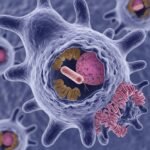
Before we dive into strategies for enhancement, it’s beneficial to grasp the basics of what the immune system does. At its core, the immune system’s primary function is to differentiate between “self” (your body’s own cells) and “non-self” (foreign invaders like pathogens). When it detects a threat, it mounts a coordinated response to neutralize and eliminate it. This response involves various components, including:
- White Blood Cells (Leukocytes): These are the soldiers of your immune system, each with a specific role in fighting off infections. Examples include lymphocytes (T cells, B cells, natural killer cells) and phagocytes (macrophages, neutrophils).
- Antibodies: Produced by B cells, antibodies are Y-shaped proteins that bind to specific antigens on pathogens, marking them for destruction.
- Lymphatic System: This network of vessels and nodes transports lymph fluid, which contains immune cells, throughout the body.
- Organs: Key immune organs include the bone marrow (where blood cells are produced), the thymus (where T cells mature), the spleen (filters blood and removes old red blood cells), and lymph nodes (trap pathogens).
A well-functioning immune system is characterized by its ability to respond quickly and effectively to threats while avoiding attacking your own body’s tissues. When this balance is disrupted, it can lead to increased susceptibility to illness or autoimmune conditions.
Pillars of Immune Health: Evidence-Based Medical Advice
Boosting your immune system isn’t about a single magic bullet; it’s about adopting a holistic approach that supports your body’s natural defenses. Here are the key pillars of immune health, backed by medical science:
1. Nutrition: Fueling Your Immune Firepower
What you eat directly impacts your immune cell function and overall health. A balanced diet rich in essential nutrients is paramount.
Vitamins and Minerals: The Essential Building Blocks
- Vitamin C: A potent antioxidant, Vitamin C supports the function of various immune cells and enhances their ability to fight infections. Rich sources include citrus fruits, berries, bell peppers, and leafy greens.
- Vitamin D: Often called the “sunshine vitamin,” Vitamin D plays a crucial role in modulating immune responses. Sunlight exposure is a primary source, but it can also be found in fatty fish, fortified dairy products, and supplements.
- Zinc: This mineral is vital for immune cell development and communication. Deficiency can impair immune function. Excellent sources include oysters, red meat, poultry, beans, and nuts.
- Selenium: Another powerful antioxidant, selenium is involved in immune response and can help protect against oxidative stress. Brazil nuts, seafood, and whole grains are good sources.
- Iron: Essential for oxygen transport and immune cell proliferation, iron deficiency can weaken the immune system. Lean red meat, poultry, fish, beans, and fortified cereals are good sources.
The Power of Antioxidants and Phytonutrients
Fruits and vegetables are packed with antioxidants and phytonutrients – compounds that help protect your cells from damage caused by free radicals, which can weaken your immune system over time. Aim for a colorful variety of produce daily.
Gut Health: The Foundation of Immunity
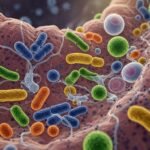
Did you know that a significant portion of your immune system resides in your gut? A healthy gut microbiome, populated by beneficial bacteria, plays a critical role in immune regulation. Incorporate probiotic-rich foods like yogurt, kefir, sauerkraut, and kimchi into your diet. Fiber-rich foods (fruits, vegetables, whole grains) act as prebiotics, feeding these beneficial bacteria.
2. Sleep: The Ultimate Immune Recharger
Sleep is not a luxury; it’s a fundamental biological need that directly influences your immune system’s ability to function optimally.
How Sleep Supports Immunity
During sleep, your body releases cytokines, proteins that help regulate the immune response and fight inflammation and infection. Chronic sleep deprivation can lead to a decrease in these protective cytokines and an increase in inflammatory markers, making you more vulnerable to illness.
Strategies for Better Sleep
- Establish a Consistent Sleep Schedule: Go to bed and wake up around the same time each day, even on weekends.
- Create a Relaxing Bedtime Routine: Wind down before bed with activities like reading, taking a warm bath, or gentle stretching.
- Optimize Your Sleep Environment: Ensure your bedroom is dark, quiet, and cool.
- Limit Screen Time Before Bed: The blue light emitted from electronic devices can interfere with melatonin production, a hormone that regulates sleep.
- Avoid Caffeine and Alcohol Before Bed: These substances can disrupt sleep patterns.
3. Stress Management: Calming the Immune System’s Alarm
Chronic stress can have a profound negative impact on your immune system. When you experience stress, your body releases hormones like cortisol, which, in prolonged high levels, can suppress immune function.
The Link Between Stress and Immunity
Sustained high cortisol levels can reduce the number and effectiveness of lymphocytes, making you more susceptible to infections and potentially exacerbating inflammatory conditions.
Effective Stress-Reduction Techniques
- Mindfulness and Meditation: Regular practice can help calm the nervous system and reduce stress hormones.
- Deep Breathing Exercises: Simple yet effective, deep breathing can activate the body’s relaxation response.
- Regular Physical Activity: Exercise is a powerful stress reliever and can also boost immune function.
- Yoga and Tai Chi: These practices combine physical movement with mindfulness and breathwork.
- Spending Time in Nature: Studies have shown that immersion in nature can significantly reduce stress levels.
- Engaging in Hobbies: Pursuing activities you enjoy can provide a healthy outlet for stress.
4. Physical Activity: Moving for a Stronger Defense
Regular, moderate exercise is a cornerstone of a healthy lifestyle and a potent immune booster.
The Benefits of Exercise for Immunity
Physical activity can improve circulation, allowing immune cells to move more freely throughout the body. It can also help reduce inflammation and promote the release of beneficial cytokines. Studies suggest that regular exercisers tend to experience fewer upper respiratory tract infections.
Finding the Right Balance
While moderate exercise is beneficial, it’s important to avoid overtraining, which can temporarily suppress the immune system. Aim for at least 150 minutes of moderate-intensity aerobic activity or 75 minutes of vigorous-intensity aerobic activity per week, along with muscle-strengthening activities.
5. Hydration: Keeping Your Immune System Flowing
Water is essential for virtually every bodily function, including the immune system.
Why Hydration Matters
Adequate hydration helps transport nutrients to your cells, including immune cells. It also supports the lymphatic system’s function in removing waste products and toxins. Dehydration can impair these crucial processes.
How Much Water Do You Need?
The general recommendation is to drink about eight 8-ounce glasses of water per day, but individual needs can vary based on activity level, climate, and overall health. Listen to your body’s thirst signals.
6. Avoiding Harmful Habits: Protecting Your Immune Assets
Certain habits can significantly undermine your immune system’s ability to protect you.
- Smoking: Smoking damages lung tissue and weakens the immune system’s ability to fight off infections.
- Excessive Alcohol Consumption: Heavy drinking can suppress immune function and increase susceptibility to illness.
- Poor Hygiene Practices: While not a direct habit, neglecting basic hygiene like regular handwashing can expose you to more pathogens, putting a greater burden on your immune system.
When to Seek Medical Advice: Recognizing the Signs
While these lifestyle strategies are incredibly effective, there are times when consulting a healthcare professional is essential.
Consult Your Doctor If You Experience:
- Frequent or Persistent Infections: If you find yourself getting sick often or recovering very slowly, it might indicate an underlying immune issue.
- Unexplained Fatigue: While lifestyle factors can cause fatigue, persistent and unexplained tiredness could be a sign of immune system dysregulation.
- Autoimmune Symptoms: If you suspect you might have an autoimmune condition (where your immune system attacks your own body), immediate medical attention is crucial.
- Concerns About Nutrient Deficiencies: A doctor can perform tests to identify and address any vitamin or mineral deficiencies.
- Before Starting New Supplements: Always discuss any new supplements with your doctor, especially if you have underlying health conditions or are taking medications.
A healthcare provider can offer personalized advice, diagnose potential issues, and recommend appropriate medical interventions if necessary.
Conclusion: Your Immune System, Your Powerhouse
Your immune system is an incredible and complex defense network that works tirelessly to keep you healthy. By embracing a holistic approach that prioritizes balanced nutrition, sufficient sleep, effective stress management, regular physical activity, adequate hydration, and the avoidance of harmful habits, you can significantly fortify your body’s natural defenses. Remember that consistency is key, and small, sustainable changes can lead to profound improvements in your overall well-being and resilience. Take charge of your health, and empower your immune system to be your ultimate protector.