For many men, maintaining optimal saw palmetto prostate health becomes a significant concern with age. The prostate gland, a vital part of the male reproductive system, can be susceptible to various conditions, most commonly benign prostatic hyperplasia (BPH) or an enlarged prostate. While medical interventions are available, a growing number of individuals are exploring natural alternatives and complementary therapies. Among these, saw palmetto stands out as a popular herbal remedy, widely recognized for its potential benefits.
In this comprehensive guide, we’ll delve into the science behind saw palmetto, its traditional and modern applications, and how it can play a role in supporting prostate well-being. We’ll also touch upon the broader Korean perspective on health and natural remedies, providing a holistic view for those seeking to proactively manage their prostate health.
Table of Contents
- Introduction to Saw Palmetto and Prostate Health
- Understanding Saw Palmetto for Prostate Health
- Scientific Backing: Research on Saw Palmetto
- Korean Perspective on Herbal Prostate Support
- Integrating Saw Palmetto into Your Routine
- Lifestyle Synergy for Prostate Wellness
- Potential Side Effects and Considerations for Saw Palmetto Prostate Health
- Frequently Asked Questions
- Conclusion
Introduction to Saw Palmetto and Prostate Health
The prostate gland, located beneath the bladder, plays a crucial role in male reproductive health. As men age, it’s common for the prostate to enlarge, a condition known as BPH. Symptoms can include frequent urination, difficulty starting and stopping urination, and a weak urine stream. This is where natural remedies like saw palmetto often come into consideration. Saw palmetto (Serenoa repens) is a small palm tree native to the southeastern United States, and its berries have been used for centuries in traditional medicine for urinary and reproductive issues.
In recent decades, extracts from these berries have gained popularity as a dietary supplement, particularly for supporting prostate health. The active compounds in saw palmetto are believed to inhibit an enzyme called 5-alpha reductase, which converts testosterone into dihydrotestosterone (DHT). DHT is implicated in the growth of prostate cells, and by potentially reducing its levels, saw palmetto may help alleviate BPH symptoms.
What is Saw Palmetto?
Saw palmetto is a type of palm tree whose berries contain fatty acids, plant sterols, and flavonoids. These components are thought to contribute to its therapeutic effects. The supplement is typically available in capsule or tablet form, containing concentrated extracts of the berries.
Why Prostate Health Matters
Beyond BPH, prostate health is vital for overall male well-being. An unhealthy prostate can lead to discomfort, urinary issues, and impact quality of life. Proactive measures, including a healthy diet, regular exercise, and potentially natural supplements, are key to maintaining a healthy prostate as you age.
Understanding Saw Palmetto for Prostate Health
The primary mechanism by which saw palmetto is believed to support prostate health involves its interaction with hormones. Specifically, it’s thought to influence the metabolism of testosterone and its more potent derivative, DHT. High levels of DHT are linked to prostate enlargement. By potentially inhibiting the enzyme 5-alpha reductase, saw palmetto may reduce DHT production, thereby slowing the growth of prostate tissue.

How Saw Palmetto Works
Research suggests that saw palmetto extracts may possess anti-inflammatory properties and could also help relax the smooth muscles of the urinary tract, further easing BPH symptoms. A review published in the Journal of Urology in 2019 highlighted its potential to improve urinary flow and reduce nighttime urination in some men with mild to moderate BPH.
Active Compounds and Their Benefits
The beneficial effects of saw palmetto are attributed to several active compounds, including:
- Fatty Acids: Such as lauric acid, myristic acid, and oleic acid.
- Phytosterols: Beta-sitosterol, campesterol, and stigmasterol.
- Flavonoids: Antioxidant compounds that may reduce inflammation.
- Polysaccharides: Contribute to immune support.
These compounds work synergistically to provide the observed benefits, making the whole extract more effective than isolated components.
Scientific Backing: Research on Saw Palmetto
The efficacy of saw palmetto for prostate health has been a subject of numerous studies, with results varying. While some early studies showed promising results, larger, more recent trials have yielded mixed conclusions. However, many individuals still report positive experiences.
Key Research Findings and Statistics
- A 2012 meta-analysis of multiple studies, published in the Journal of the American Medical Association, found that saw palmetto was no more effective than placebo for BPH symptoms. However, this study often used less potent extracts or lower dosages than typically recommended.
- Conversely, a 2017 review published in Urologia Internationalis suggested that specific lipidosterolic extracts of saw palmetto could significantly improve urinary symptoms and flow rates in men with BPH, particularly when used consistently.
- According to Statista, the global market for saw palmetto supplements was valued at over $100 million in 2022, indicating its widespread use despite varying research outcomes.
- A study from 2020 indicated that saw palmetto may help reduce inflammation in the prostate, which is a contributing factor to BPH progression.
- An expert perspective from Dr. Kim Min-joon, a urologist in Seoul, suggests, “While large-scale clinical trials have mixed results, many of my patients in Korea report subjective improvement in urinary symptoms with high-quality saw palmetto extracts. It often works best for mild to moderate BPH and when combined with other lifestyle changes.”
Comparison with Conventional Treatments
It’s important to understand that saw palmetto is not a substitute for prescribed medications or medical advice. Conventional treatments for BPH, such as alpha-blockers or 5-alpha reductase inhibitors, often have more robust clinical evidence for severe symptoms. However, saw palmetto may be considered for those with mild symptoms or those seeking a natural adjunct under medical supervision. Here’s a quick comparison:
| Feature | Saw Palmetto | Conventional Medications (e.g., Alpha-blockers) |
|---|---|---|
| Mechanism | Inhibits 5-alpha reductase, anti-inflammatory | Relaxes prostate muscles, shrinks prostate |
| Efficacy (BPH) | Mixed, potentially for mild/moderate symptoms | High, for moderate/severe symptoms |
| Side Effects | Generally mild (digestive upset) | Dizziness, low blood pressure, sexual dysfunction |
| Availability | Over-the-counter supplement | Prescription required |
Korean Perspective on Herbal Prostate Support
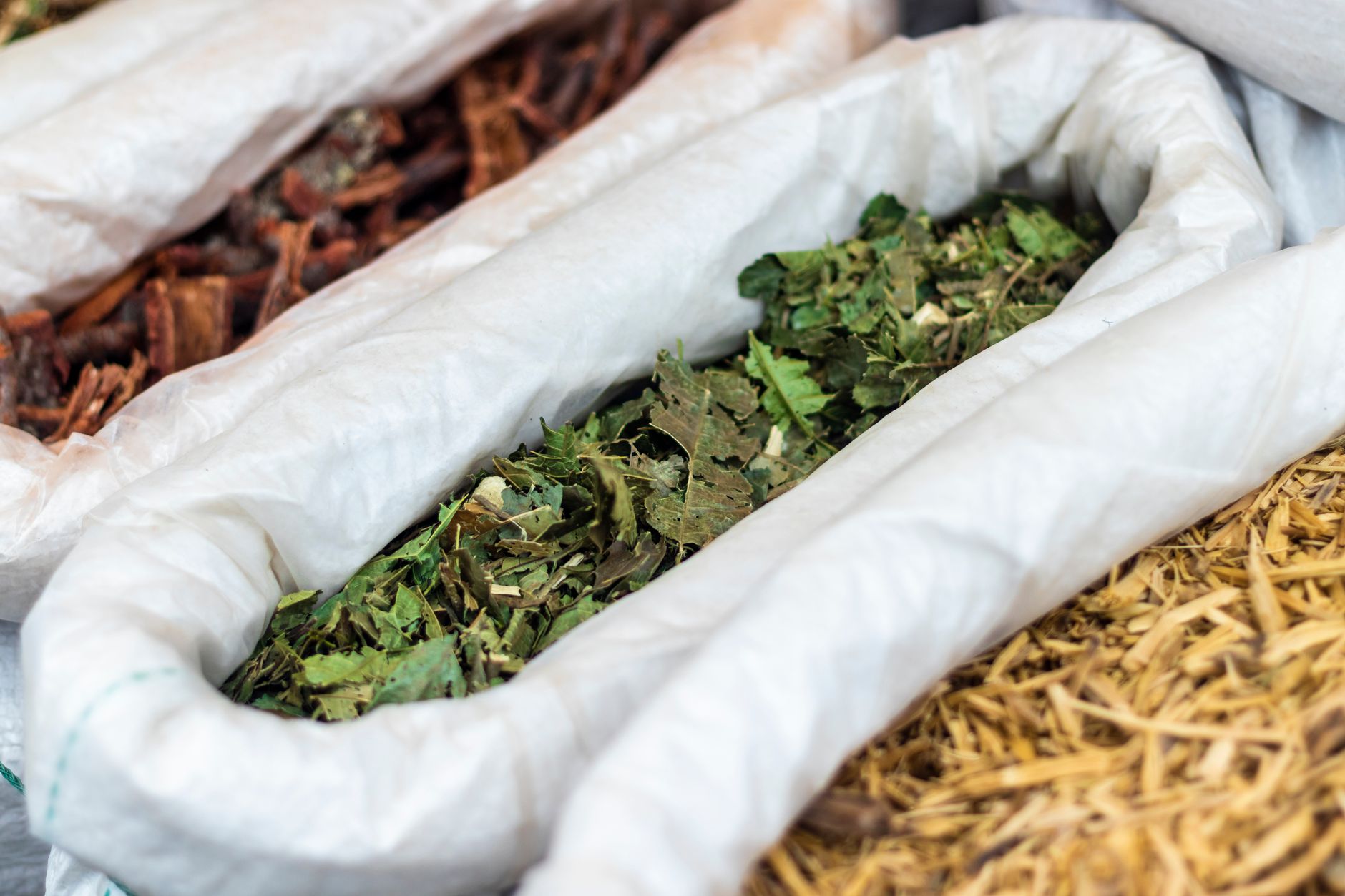
In Korea, there’s a strong cultural appreciation for traditional herbal medicine and natural health remedies. While Western medicine is prevalent, many Koreans integrate traditional approaches, including herbal supplements, into their health regimen. This holistic view often extends to prostate health, where natural ingredients are sought after for their perceived benefits and fewer side effects.
Popular Korean Herbs for Men’s Health
Beyond saw palmetto, which is also popular, other herbs frequently used in Korea for men’s health and vitality include:
- Korean Red Ginseng: Known for its adaptogenic properties, Korean red ginseng benefits include boosting energy and improving circulation, which can indirectly support overall male health.
- Pumpkin Seed Oil: Often consumed for prostate support due to its high zinc content and phytosterols.
- Corn Silk: Used in traditional Korean medicine as a diuretic and for urinary tract health.
- Reishi Mushroom: Valued for its immune-modulating and anti-inflammatory properties.
These ingredients are often combined in formulations to create a synergistic effect, reflecting the complex nature of traditional Korean medicine.
Synergistic Approaches to Prostate Care
Korean health philosophy often emphasizes prevention and maintaining balance. Integrating a supplement like saw palmetto with other supportive nutrients is common. For instance, combining it with zinc, selenium, and lycopene, which are known to support prostate health, is a popular strategy. Exploring how turmeric curcumin absorption can enhance anti-inflammatory effects might also be relevant for overall cellular health.
Integrating Saw Palmetto into Your Routine
If you’re considering saw palmetto for prostate health, it’s crucial to choose a high-quality supplement and consult with a healthcare professional, especially if you have existing medical conditions or are taking other medications.
Choosing the Right Supplement
Not all saw palmetto supplements are created equal. Look for products that are:
- Standardized Extract: Ensure the label specifies a standardized extract containing 85-95% fatty acids and sterols.
- Reputable Brand: Choose brands with third-party testing for purity and potency.
- Optimal Dosage: Typical dosages range from 160 mg to 320 mg per day, often split into two doses.
Always follow the manufacturer’s instructions or your doctor’s advice.
Recommended Dosage and Forms
Saw palmetto is most commonly found in softgel capsules. An ordered list of considerations for starting:
- Consult Your Doctor: Before starting any new supplement, discuss it with your physician, particularly to rule out prostate cancer or other serious conditions.
- Start with a Standardized Extract: Aim for 320mg daily, often taken as 160mg twice a day.
- Consistency is Key: Saw palmetto’s effects are not immediate; consistent use over several weeks or months is often necessary to observe benefits.
- Monitor Symptoms: Keep a journal of your urinary symptoms to track any improvements or changes.
- Review Periodically: Re-evaluate your supplement regimen with your doctor every 6-12 months.
Lifestyle Synergy for Prostate Wellness
While saw palmetto can be a supportive element, true prostate health is achieved through a holistic approach that includes diet, exercise, and overall well-being. For example, understanding berberine blood sugar control can be relevant for managing metabolic health, which indirectly impacts prostate health.
Dietary Considerations for a Healthy Prostate
A prostate-friendly diet emphasizes fruits, vegetables, and healthy fats, while limiting red meat and processed foods.
| Foods to Emphasize | Foods to Limit |
|---|---|
| Tomatoes (lycopene) | Red meat and processed meats |
| Cruciferous vegetables (broccoli, cauliflower) | High-fat dairy products |
| Fatty fish (omega-3 fatty acids) | Excessive caffeine and alcohol |
| Berries and citrus fruits | Sugary drinks and refined carbohydrates |
| Green tea | Fried foods |
Exercise and Stress Management
Regular physical activity is crucial. Even moderate exercise can improve circulation and reduce inflammation, benefiting the prostate. Stress management techniques, such as meditation or yoga, can also play a role, as chronic stress can impact hormonal balance. Additionally, supporting your liver with supplements like milk thistle liver health can contribute to overall detoxification and hormonal balance, which benefits prostate health.
Potential Side Effects and Considerations for Saw Palmetto Prostate Health
While generally well-tolerated, saw palmetto can have side effects and interactions. It’s vital to be aware of these before incorporating it into your routine.
Possible Side Effects
Most side effects are mild and include:
- Stomach upset, nausea, or diarrhea
- Headache
- Dizziness
Rarely, more serious side effects like liver damage have been reported, though a direct causal link is often unclear. If you experience unusual symptoms, discontinue use and consult a doctor.
Drug Interactions and Warnings
Saw palmetto may interact with certain medications:
- Blood Thinners: It may increase the risk of bleeding when taken with anticoagulants like warfarin or aspirin.
- Hormonal Therapies: Due to its potential hormonal effects, it might interfere with hormone replacement therapy or oral contraceptives.
- Other Prostate Medications: Combining saw palmetto with prescription medications for BPH should only be done under medical supervision.
It’s also important to note that saw palmetto should not be used by pregnant or breastfeeding women. Furthermore, if you are experiencing vitamin B12 deficiency symptoms or other nutritional deficiencies, address these comprehensively as part of your overall health strategy, rather than relying solely on one supplement.
Frequently Asked Questions
Q1: How long does it take for saw palmetto to work for prostate health?
A: The effects of saw palmetto are not immediate. It typically takes several weeks to a few months of consistent use (e.g., 4-6 weeks to 3 months) to notice potential improvements in urinary symptoms.
Q2: Can saw palmetto cure prostate enlargement (BPH)?
A: Saw palmetto is not a cure for BPH. It is considered a complementary therapy that may help manage and alleviate some symptoms, but it does not shrink the prostate or address the underlying cause in the same way prescription medications or surgery might.
Q3: Is saw palmetto effective for prostate cancer prevention?
A: There is no scientific evidence to suggest that saw palmetto prevents prostate cancer. It is specifically researched for its potential role in managing BPH symptoms. Regular prostate screenings are crucial for cancer detection.
Q4: What is the best form of saw palmetto to take?
A: The most effective form is generally a standardized lipidosterolic extract, typically containing 85-95% fatty acids and sterols. Look for products that specify this on the label, often in softgel capsules.
Q5: Can women take saw palmetto?
A: Saw palmetto is primarily used for male prostate health. While it has been historically used for certain female conditions, its effects on female hormones mean it should be avoided by pregnant or breastfeeding women and those on hormonal therapies, unless specifically advised by a doctor.
Q6: Are there any specific dietary recommendations when taking saw palmetto?
A: While no specific diet is mandated, adopting a prostate-friendly diet rich in fruits, vegetables, and healthy fats (like those found in omega-3 for inflammation) can complement the effects of saw palmetto and support overall prostate health.
Q7: Should I tell my doctor if I’m taking saw palmetto?
A: Yes, absolutely. Always inform your doctor about all supplements and medications you are taking, including saw palmetto. This is crucial to avoid potential interactions and ensure appropriate medical guidance for your prostate health.
Conclusion
For men seeking natural support for saw palmetto prostate health, this herbal remedy offers a promising avenue. While scientific research presents mixed findings, many individuals, including those in Korea, find it a valuable part of their wellness routine for managing BPH symptoms. Remember, high-quality, standardized extracts, combined with a healthy lifestyle, are key to maximizing potential benefits. Always consult with a healthcare professional before starting any new supplement to ensure it’s appropriate for your individual health needs. Take proactive steps today to nurture your prostate health and enhance your overall well-being!