In the vibrant world of Korean health and beauty, the quest for youthful vitality is a continuous journey. Among the myriad of natural compounds gaining significant attention, resveratrol anti-aging benefits stand out as particularly promising. This powerful polyphenol, found in red grapes, berries, and certain nuts, has been a subject of extensive scientific research for its potential to combat the signs of aging, both internally and externally. From enhancing skin elasticity to supporting cellular longevity, resveratrol offers a holistic approach to maintaining a youthful glow and robust health.
This comprehensive guide delves into the science-backed advantages of resveratrol, exploring how this remarkable ingredient aligns with traditional Korean wellness philosophies that prioritize balance and natural efficacy. We’ll uncover its mechanisms of action, highlight key research findings, and provide practical insights into incorporating it into your health regimen.
Table of Contents
- Introduction to Resveratrol and Anti-Aging
- Boosting Cellular Longevity and DNA Repair
- Enhancing Skin Health and Elasticity
- Cardiovascular Health and Blood Flow
- Supporting Brain Health and Cognitive Function
- Metabolic Wellness and Weight Management
- Resveratrol: An Antioxidant Powerhouse
- Strengthening the Immune System
- How to Incorporate Resveratrol into Your Routine
- Frequently Asked Questions About Resveratrol
- Conclusion
Introduction to Resveratrol and Anti-Aging
Resveratrol is a natural polyphenol that has captured the imagination of researchers and health enthusiasts alike. Often lauded as a “fountain of youth” compound, its prevalence in the Korean market for supplements and cosmetics reflects a deep cultural appreciation for natural ingredients that promote longevity and beauty. The compound’s unique ability to influence cellular pathways associated with aging makes it a compelling subject for those seeking to understand and harness its full potential. The global market for anti-aging products, significantly influenced by innovations in countries like Korea, was valued at over $62 billion in 2023, underscoring the demand for effective solutions. Statista reports that this market is projected to grow further, with natural compounds like resveratrol playing a crucial role.
What is Resveratrol?
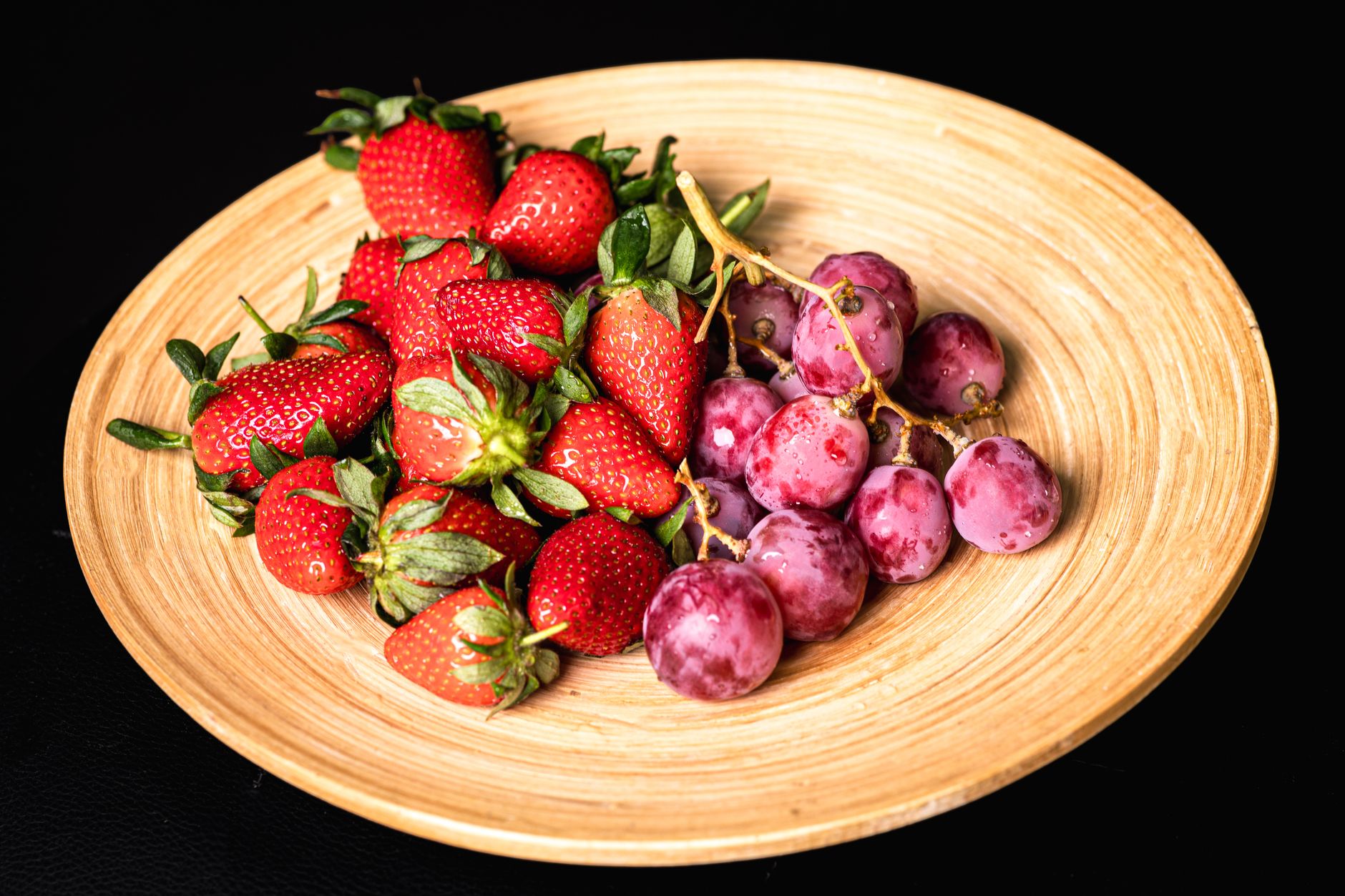
Resveratrol is a stilbenoid, a type of natural phenol, and a phytoalexin produced by several plants in response to injury or fungal infection. Its most famous source is the skin of red grapes, explaining its presence in red wine. Other sources include peanuts, blueberries, and certain Asian medicinal plants like Polygonum cuspidatum (Japanese knotweed), which is often used in supplements.
The Korean Perspective on Longevity
Korean health philosophy often emphasizes preventative care and the use of natural ingredients to maintain balance and harmony within the body. This aligns perfectly with the proactive approach to aging that resveratrol offers. From traditional herbal remedies to modern K-beauty innovations, the focus is on nurturing the body’s intrinsic ability to heal and regenerate.
Boosting Cellular Longevity and DNA Repair
One of the most exciting resveratrol anti-aging benefits lies in its profound impact on cellular longevity. Research has consistently pointed to its role in activating sirtuins, a family of proteins often referred to as “longevity genes.”

Sirtuin Activation: The “Longevity Genes”
Sirtuins play a critical role in cellular health, metabolism, and the repair of DNA damage. By activating these proteins, resveratrol helps to mimic the effects of caloric restriction, a well-known method for extending lifespan in various organisms. A study published in Nature in 2010 highlighted resveratrol’s ability to activate SIRT1, a key sirtuin, leading to improved cellular function and resistance to stress.
Protecting DNA from Damage
Our DNA is constantly bombarded by environmental stressors and metabolic byproducts, leading to damage that accelerates aging. Resveratrol helps protect DNA by reducing oxidative stress and supporting DNA repair mechanisms. This protective action is crucial for maintaining genomic integrity, which is fundamental for healthy cell division and function.
Enhancing Skin Health and Elasticity
For those interested in external signs of aging, the impact of resveratrol on skin health is particularly compelling. It’s a common ingredient in high-end Korean skincare products for good reason.
Combating Oxidative Stress in Skin
The skin is our first line of defense against environmental aggressors like UV radiation and pollution, which generate free radicals that damage skin cells, leading to wrinkles, fine lines, and age spots. Resveratrol, being a potent antioxidant, neutralizes these free radicals, protecting collagen and elastin – the proteins responsible for skin’s firmness and elasticity. A 2015 review in the journal Oxidative Medicine and Cellular Longevity noted resveratrol’s potential in topical applications to reduce UV-induced skin damage and promote healing.
Promoting Collagen Production
Beyond protection, resveratrol may also stimulate the production of new collagen, helping to restore skin’s youthful structure. This dual action of protecting existing collagen and encouraging new synthesis makes it a powerful ally in the fight against visible aging. Many Korean beauty brands incorporate resveratrol into serums and creams targeting concerns like glutathione skin whitening effects and overall skin vitality.
Cardiovascular Health and Blood Flow
Beyond skin deep, resveratrol offers significant benefits for internal health, particularly the cardiovascular system. Healthy blood flow is vital for delivering nutrients and oxygen throughout the body, including to the skin and brain.
Improving Vascular Function
Resveratrol helps improve the elasticity of blood vessels and promotes healthy circulation. It does this by stimulating the production of nitric oxide, a molecule that signals blood vessels to relax and widen. This effect can contribute to maintaining healthy blood pressure levels. A 2018 meta-analysis published in the journal Nutrients found that resveratrol supplementation significantly improved flow-mediated dilation, a key indicator of vascular endothelial function.
Reducing Inflammation
Chronic inflammation is a major contributor to heart disease. Resveratrol exhibits strong anti-inflammatory properties, helping to reduce systemic inflammation that can damage blood vessels and contribute to plaque buildup. This makes it a valuable component of a heart-healthy lifestyle, alongside other beneficial compounds like those found in berberine blood sugar control regimens.
Supporting Brain Health and Cognitive Function
The brain is particularly vulnerable to oxidative stress and inflammation, which can contribute to age-related cognitive decline. Resveratrol’s neuroprotective properties are an area of intense research.
Protecting Brain Cells
Resveratrol can cross the blood-brain barrier, allowing it to exert its antioxidant and anti-inflammatory effects directly within brain tissue. It helps protect neurons from damage and may enhance neurogenesis (the growth of new brain cells). A 2020 study in Frontiers in Aging Neuroscience suggested resveratrol could improve mitochondrial function in brain cells, which is crucial for energy production and overall neuronal health.
Enhancing Memory and Learning
By improving cerebral blood flow and reducing oxidative damage, resveratrol may contribute to better cognitive function, including memory and learning capabilities. This makes it an interesting supplement for those looking to maintain sharp mental acuity as they age.
Metabolic Wellness and Weight Management
Resveratrol’s influence on metabolic pathways extends to its potential role in weight management and metabolic health, an important aspect of overall longevity.
Insulin Sensitivity and Glucose Metabolism
Studies suggest that resveratrol can improve insulin sensitivity, helping the body utilize glucose more effectively and maintain stable blood sugar levels. This is a crucial benefit, especially in the context of preventing age-related metabolic disorders. This benefit mirrors some of the positive effects seen with compounds like berberine blood sugar control, highlighting a shared focus on metabolic health.
Fat Metabolism and Energy Expenditure
There is emerging evidence that resveratrol may influence fat metabolism, potentially reducing fat accumulation and enhancing energy expenditure. While not a magic bullet for weight loss, it could support healthy weight management when combined with diet and exercise.
Resveratrol vs. Other Antioxidants for Anti-Aging
| Compound | Primary Anti-Aging Mechanism | Key Benefits | Common Sources |
|---|---|---|---|
| Resveratrol | Sirtuin activation, DNA repair, antioxidant | Cellular longevity, skin elasticity, cardiovascular, brain health | Red grapes, berries, peanuts |
| Vitamin C | Potent antioxidant, collagen synthesis | Skin brightening, immune support, wound healing | Citrus fruits, bell peppers |
| Vitamin E | Fat-soluble antioxidant, cell membrane protection | Skin hydration, UV protection, heart health | Nuts, seeds, spinach |
| CoQ10 | Mitochondrial energy production, antioxidant | Cellular energy, heart health, anti-fatigue | Meat, fish, whole grains |
Resveratrol: An Antioxidant Powerhouse
At its core, many of the resveratrol anti-aging benefits stem from its robust antioxidant capabilities. Free radicals, unstable molecules that damage cells, are a primary driver of aging and disease. Resveratrol effectively neutralizes these harmful compounds.
Neutralizing Free Radicals
Resveratrol’s chemical structure allows it to donate electrons to free radicals, stabilizing them and preventing them from causing cellular damage. This protective action is vital for every system in the body, from the skin to internal organs.
Reducing Oxidative Stress
By reducing the overall burden of oxidative stress, resveratrol helps maintain cellular integrity and function, slowing down the cellular aging process. This is why it’s often grouped with other potent antioxidants like those found in propolis immune benefits or milk thistle liver health supplements, which also target oxidative damage.
Strengthening the Immune System
A robust immune system is fundamental to healthy aging, protecting the body from infections and diseases. Resveratrol contributes to immune health through several mechanisms.
Modulating Immune Responses
Resveratrol can modulate immune responses, helping to keep the immune system balanced – neither overactive nor underactive. This can be particularly beneficial as we age, when immune function often declines, making us more susceptible to illness. For instance, maintaining proper levels of essential nutrients, as seen with avoiding vitamin B12 deficiency symptoms, is also key for immune health.
Anti-Inflammatory Effects
Its anti-inflammatory properties are also key to supporting the immune system. Chronic low-grade inflammation can impair immune function and contribute to various age-related conditions. By reducing inflammation, resveratrol helps the immune system operate more efficiently.
How to Incorporate Resveratrol into Your Routine
Ready to unlock the potential of resveratrol? Here’s how you can integrate it into your daily health and wellness regimen, following principles often seen in Korean health practices.

- Dietary Sources: Increase your intake of red grapes, blueberries, raspberries, mulberries, peanuts, and dark chocolate. While dietary intake provides many benefits, the concentration of resveratrol might not be sufficient for therapeutic effects.
- Supplements: Resveratrol supplements are widely available. Look for products that specify the source (e.g., Japanese knotweed for higher purity) and the concentration of trans-resveratrol, which is the most biologically active form.
- Topical Skincare: Many Korean skincare brands incorporate resveratrol into serums, creams, and masks designed to target visible signs of aging. These can be a great way to deliver the antioxidant directly to the skin.
- Consult a Professional: Before starting any new supplement, especially if you have underlying health conditions or are taking medications, consult with a healthcare provider. They can advise on appropriate dosages and potential interactions.
Recommended Daily Resveratrol Dosage & Considerations
| Purpose | Typical Dosage Range (mg/day) | Considerations |
|---|---|---|
| General Antioxidant/Wellness | 50 – 250 | Often found in multi-antioxidant formulas. |
| Anti-Aging/Skin Health | 150 – 500 | Higher doses may be used under professional guidance. |
| Cardiovascular/Metabolic Support | 250 – 1000+ | Consult a doctor, especially for doses >500mg. |
| Source Purity | N/A | Look for “trans-resveratrol” from sources like Polygonum cuspidatum. |
Note: These are general guidelines. Individual needs may vary. Always consult with a healthcare professional.
The Korean Ministry of Food and Drug Safety (MFDS) regulates health functional foods and ingredients. When choosing supplements, it’s always wise to look for products that adhere to high manufacturing standards and clear labeling, whether from domestic or international reputable brands. Further research on the benefits of antioxidants can be found on sites like NIH.gov and WHO.int.
Frequently Asked Questions About Resveratrol
Q: What exactly is resveratrol and where is it found?
A: Resveratrol is a natural polyphenol found in red grapes, blueberries, raspberries, peanuts, and Japanese knotweed. It’s produced by plants as a protective compound.
Q: How does resveratrol help with anti-aging?
A: It primarily works by activating sirtuins (longevity genes), acting as a powerful antioxidant to neutralize free radicals, and reducing inflammation, all of which combat cellular aging.
Q: Can I get enough resveratrol from just eating grapes?
A: While eating resveratrol-rich foods is beneficial, the concentration in food might not be enough to achieve the therapeutic doses often studied in research. Supplements can provide higher, more consistent amounts.
Q: Are there any side effects of taking resveratrol supplements?
A: Resveratrol is generally well-tolerated. However, high doses may cause mild gastrointestinal upset. It can also interact with blood thinners, so consult a doctor before use, especially if on medication.
Q: How long does it take to see resveratrol anti-aging benefits?
A: The timeline varies based on individual factors, dosage, and the specific benefit sought. Visible skin improvements might be noticed in weeks, while cellular longevity benefits are long-term processes.
Q: Is trans-resveratrol better than other forms?
A: Yes, trans-resveratrol is the biologically active form that is most effectively absorbed and utilized by the body. Look for supplements that specify “trans-resveratrol” content.
Q: Does resveratrol interact with other supplements or medications?
A: Resveratrol may interact with blood thinners (anticoagulants), NSAIDs, and drugs metabolized by the CYP450 enzyme system. Always discuss with a healthcare professional before combining supplements or medications.
Conclusion
The journey to understanding resveratrol anti-aging benefits reveals a fascinating compound with multifaceted potential. From enhancing cellular longevity and DNA repair to improving skin elasticity, supporting cardiovascular health, and boosting cognitive function, resveratrol offers a holistic approach to maintaining youthful vitality. By leveraging its powerful antioxidant and anti-inflammatory properties, we can proactively combat the effects of aging at a cellular level, aligning with the preventative health ethos prevalent in Korean wellness traditions. Embrace the science-backed power of resveratrol to nurture your health and unlock a more radiant, resilient you. Ready to experience these transformative benefits? Explore high-quality resveratrol supplements today!
For more insights into Korean health and wellness, visit Korean Skincare Secrets and discover other natural compounds that support longevity and vitality on Natural Antioxidant Supplements.